Sarajevo: things to do, halal food and day trips

Sarajevo was founded in the mid-15th century by Isa-beg Isaković and enriched with enduring endowments in the 16th century by Gazi Husrev-beg. You can explore the Sebilj fountain, Gazi Husrev-beg Mosque and Sarajevo City Hall on foot in one day, and ride the cable car up Mount Trebević in seven minutes. Allow another day or two for Vrelo Bosne, Skakavac Waterfall or Bjelašnica.

Updated: November 2026 · By Halal Balkan · 8 min read

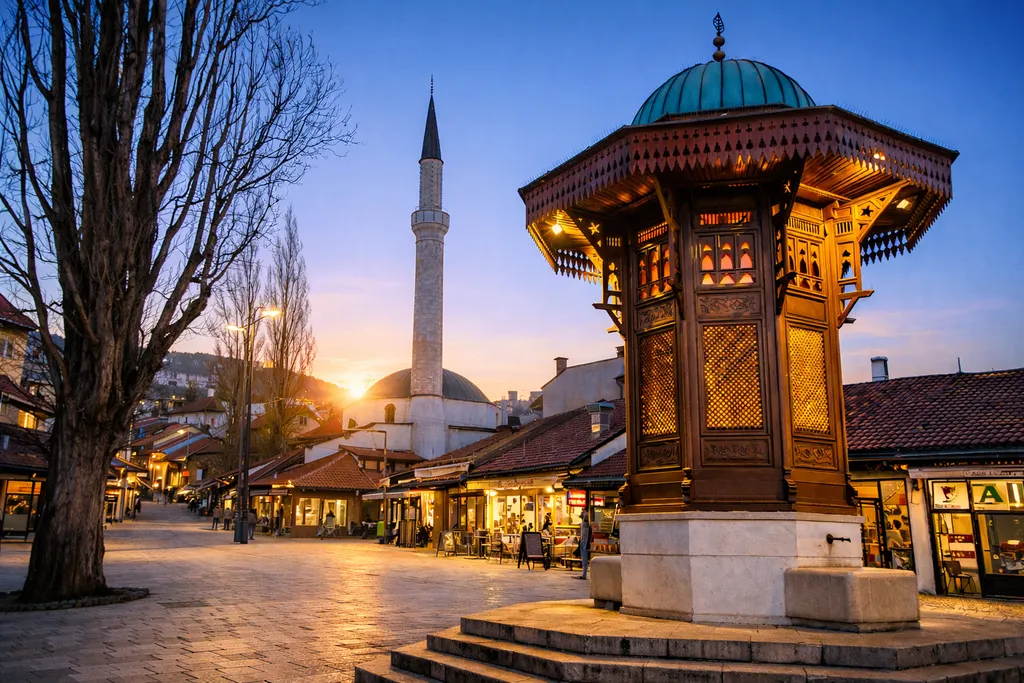
Sebilj fountain and Baščaršija Mosque on the main square in Sarajevo at dusk
Sebilj fountain in Baščaršija, with Baščaršija Mosque behind.

At a glance

Best for
The old bazaar, historic mosques, the Miljacka River and Olympic mountains
How long to stay
1 day for the centre, 2–3 days with day trips
Don't miss
Sebilj fountain, Gazi Husrev-beg Mosque and the Mount Trebević cable car
Halal food
Ćevapi, burek and Bosnian pies, with halal places across the city. Where to eat
Prayer
Gazi Husrev-beg Mosque and Baščaršija Mosque right in the heart of the old bazaar. Prayer times in Sarajevo
Airport
About 12 km from the centre; an airport bus runs into town
Getting around
Explore the Old Town on foot; trams, trolleybuses and buses reach farther out
Best time to visit
Spring and autumn for city walks, winter for snow on Bjelašnica and Mount Igman
Table of contents
  1. Things to do
  2. Where to eat
  3. Accommodation
  4. Mosques
  5. Day trips
  6. With children
  7. 1-day itinerary
  8. Practical tips
  9. FAQ
  10. Nearby cities

Things to do in Sarajevo

The historic centre lies on the right bank of the Miljacka River and is best explored on foot. Start at the Sebilj fountain and save Mount Trebević and Vratnik for the afternoon.

Sebilj fountain

This kiosk-shaped wooden fountain on the main square of Baščaršija (Sarajevo's old bazaar) is the city's best-known symbol. Chronicler Bašeskija noted that Sarajevo once had over a hundred public fountains (sebiljs), and this is the sole survivor. Mehmed Pasha Kukavica built the first sebilj here in 1753; the present structure was designed by architect Alexander Wittek. Stop for a drink of water and set off into the bazaar.

Practical info: 10 minutes · free · ideal starting point

Sebilj in Sarajevo: all about the famous fountain
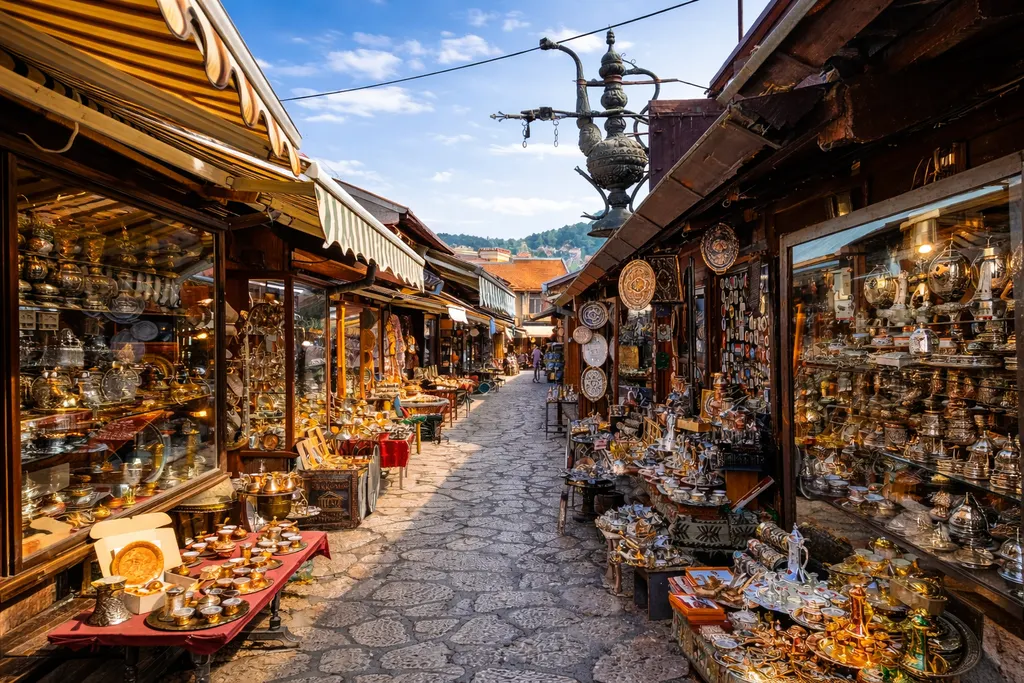
Narrow cobbled alley in Baščaršija lined with hammered copperware outside artisan shops

Baščaršija

Sarajevo's historic old bazaar dates back to Isa-beg Isaković and the 15th century. By the late 16th century, 80 trades operated here organised into craft guilds (esnafi). Its alleys still carry those guild names: Kazandžiluk for coppersmiths, Kujundžiluk for goldsmiths and Bravadžiluk for locksmiths. Walk the main lanes, then wander down the side alleys.

Practical info: 2–3 hours · free · cobbled streets, wear comfortable shoes

Baščaršija: history and walking guide

What to buy in Sarajevo

Handcrafted copperware is Sarajevo's signature keepsake: coffee pots (džezve), cup holders and serving trays, best sought on Kazandžiluk street. For hand-decorated trays inspired by traditional Bosnian kilims, visit Zemka Art at Sirano Market. Modest clothing by a local label is available at Brothers Clothing, and local honey at Maksuz in Vidovci.

Gazi Husrev-beg Mosque (Begova džamija)

Built in 1530 by Gazi Husrev-beg to a design by Acem Esir Ali of Tabriz, this mosque is the spiritual heart of Old Sarajevo. Its courtyard holds an ablution fountain (šadrvan) and two türbes (mausoleums) – those of Gazi Husrev-beg and Murat-beg Tardić. Beside the mosque rises a 30-metre clock tower whose clock shows "à la turca" time (measured from sunset), regularly adjusted by a traditional timekeeper (muvekit).

Practical info: 20–30 minutes · for prayer see Mosques

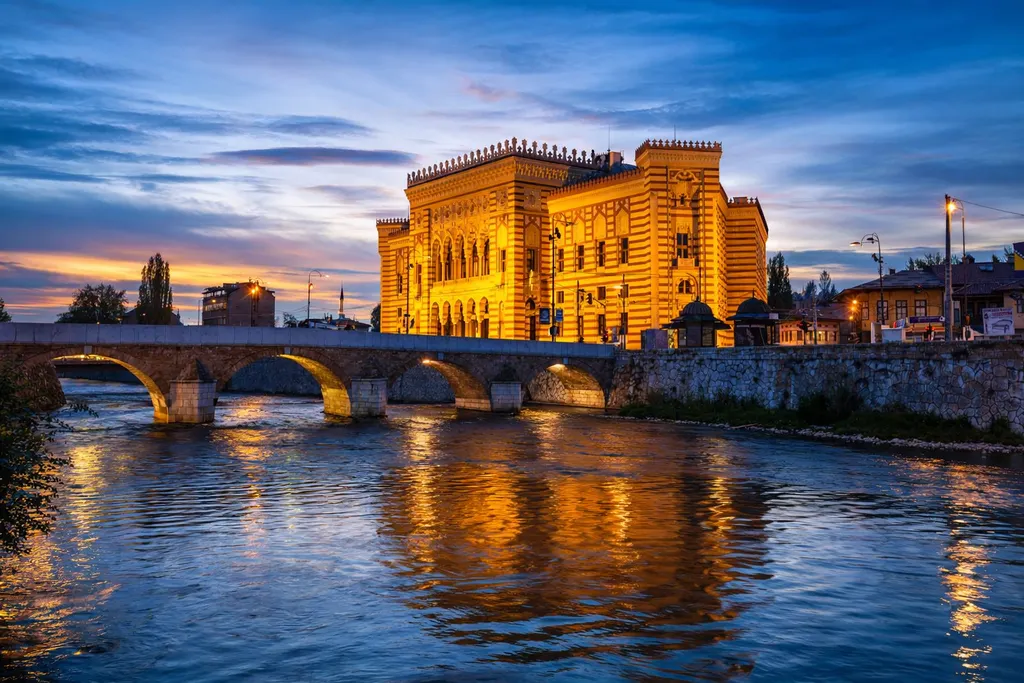
Illuminated Sarajevo City Hall and a stone bridge over the Miljacka River at dusk

Sarajevo City Hall (Vijećnica) and Latin Bridge

Designed in Pseudo-Moorish style by Alexander Wittek and opened in 1896, Sarajevo City Hall (Vijećnica) burned down on the night of 25–26 August 1992 along with roughly two million library items, before reopening on 9 May 2014. Step inside to see the grand hall beneath its stained-glass dome, then walk along the Miljacka to the Latin Bridge, site of the Sarajevo assassination on 28 June 1914.

Practical info: about 1 hour · City Hall 10 KM (Bosnian convertible marks, BAM), children, students and pensioners 5 KM; daily 09:00–17:00 except during events (verified 11/2026)

Vratnik: Yellow Fortress and White Fortress

Vratnik is the historic walled quarter overlooking Baščaršija, fortified with walls and gates after Eugene of Savoy burned Sarajevo in 1697. Two bastions survive: during Ramadan, the iftar cannon fires from Yellow Fortress (Žuta tabija), while White Fortress (Bijela tabija) offers one of the finest panoramas over the city. Walk uphill from the bazaar through Kovači.

Practical info: 1–2 hours including the climb · suitable for visitors comfortable walking uphill

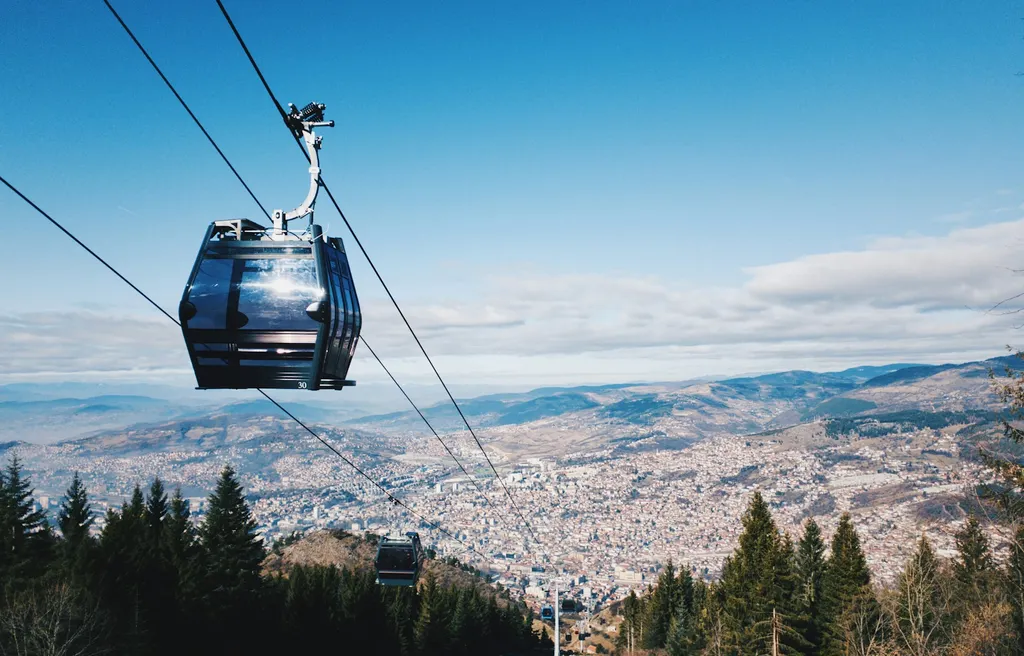
Cable car cabin gliding above pine forest with a panoramic view of Sarajevo from Mount Trebević

Sarajevo Cable Car and Mount Trebević

Running since 1959 and reopened after the war on 6 April 2018, the cable car whisks you up Mount Trebević in about seven minutes from the lower station on ulica Hrvatin. The mountain peaks at 1,629 metres and features the Olympic bobsleigh and luge track built in 1982 for the 1984 Winter Games. Bring a jacket – it is noticeably cooler up top than in the city.

Practical info: half a day · return ticket 30 KM (Bosnian convertible marks, BAM), BiH residents 6 KM, children under 7 free (verified 11/2026)

Mount Trebević and Sarajevo Cable Car: what to know before riding

Where to eat: halal food in Sarajevo

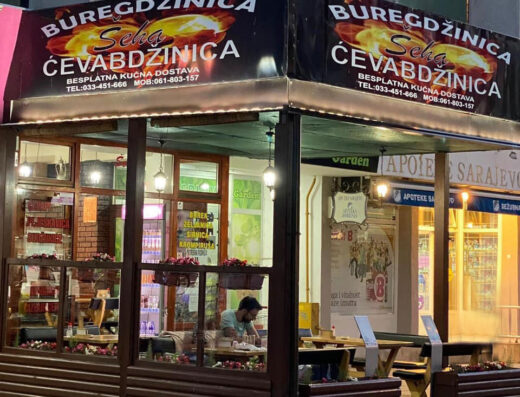
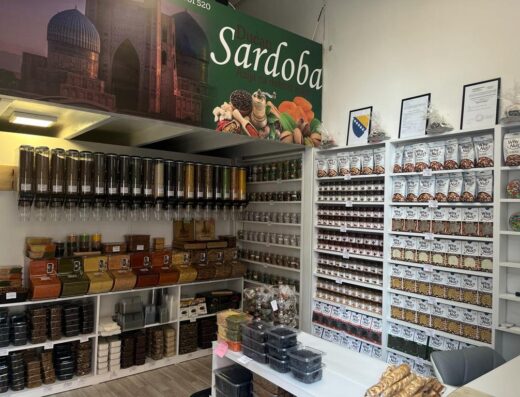
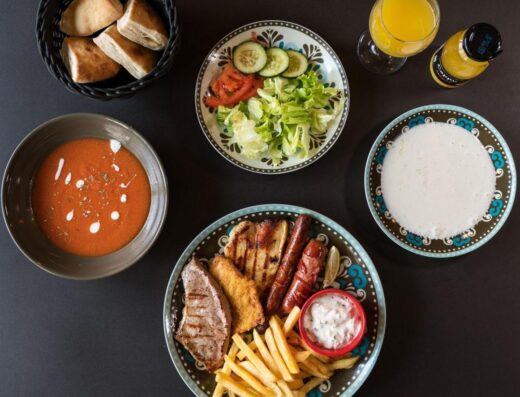
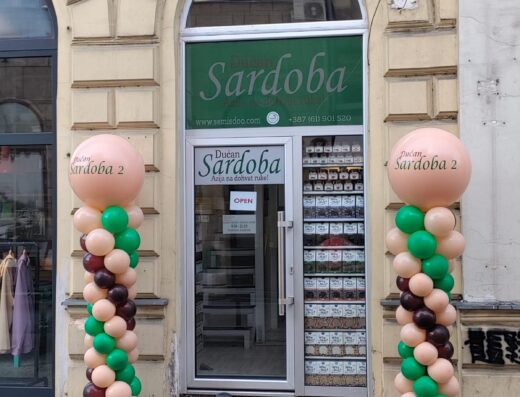
Sarajevo is famous for ćevapi (grilled minced-meat sausages), burek (meat pie) and Bosnian pies, with Bravadžiluk in Baščaršija traditionally lined with ćevapi grills and cooked-meal eateries (aščinice). In our directory you will find Šeha in Dobrinja and ZMBT Mirza Aljović near Koševo Hospital (both serving ćevapi and pies), homemade Bosnian pies at Mahala in Dobrinja, and halal pizza at Pizza Calabria. For health foods, spices and dried fruit, try Dućan Sardoba, including its branch at Gradačačka 1.

Our directory only includes businesses that operate according to halal principles: no alcohol, no haram ingredients, no interest-based practices and no gambling. Listing guidelines

Know a great halal ćevapi grill or pie shop in Sarajevo?

Suggest a listing

Where to stay in and around Sarajevo

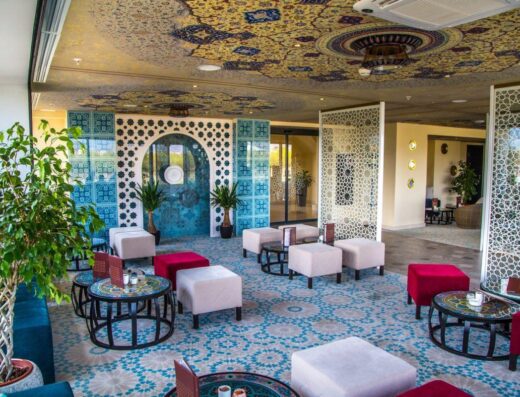
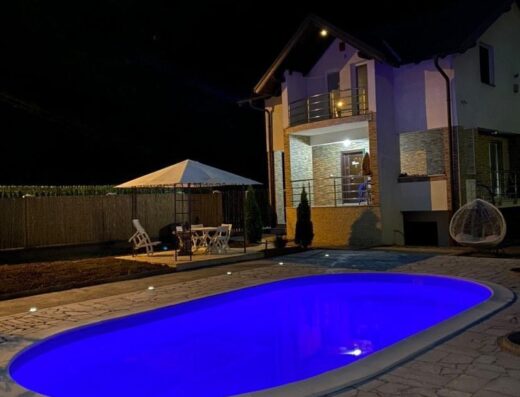
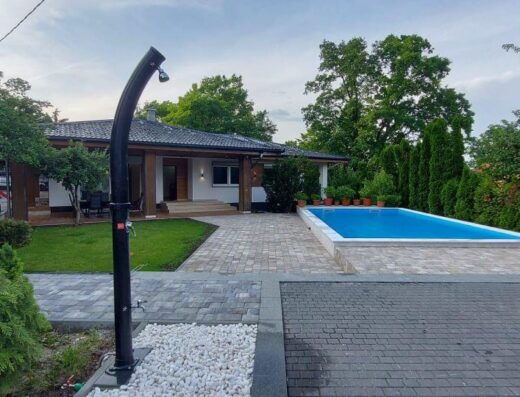
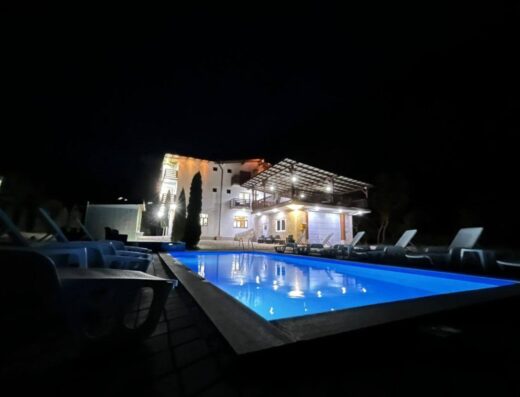
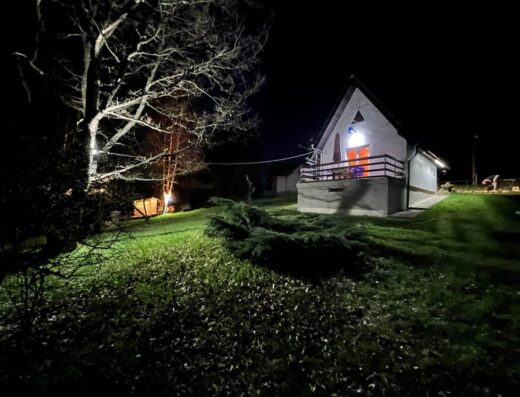
To explore the historic centre on foot, stay near Baščaršija. If you are visiting for Vrelo Bosne and the mountains, Ilidža is handier – home to Malak Regency Hotel, not far from the Great Alley (Velika aleja). For privacy and peace, choose a holiday home: Villa Wood & Green in Miševići (9 km from Ilidža) looks out towards Mount Igman and Bjelašnica, while Villa Fratelli lies in Semizovac north of the city.

Mosques and Islamic heritage

More than a hundred mosques were built in Sarajevo during the 15th and 16th centuries. These three stand right in the centre, each with its own story:

MosqueLocationWhat makes it specialPractical tips
Gazi Husrev-beg Mosque (Begova)Heart of Baščaršija, beside the clock towerEndowed by Gazi Husrev-beg in 1530; courtyard holds the türbes of the founder and Murat-beg TardićCourtyard ablution fountain (šadrvan) for wudu
Emperor's Mosque (Careva džamija)Left bank of the Miljacka, across from BaščaršijaSarajevo's first mosque, founded by Isa-beg Isaković and dedicated to Sultan Mehmed II; current appearance dates from 1565Reached from the old bazaar via Emperor's Bridge (Careva ćuprija)
Baščaršija Mosque (Havadže Durak)Main square, right behind the Sebilj fountainEndowed by Havadže Durak; already documented in the 1528 registerThe closest mosque when standing by the Sebilj

Gazi Husrev-beg Madrasa stands directly across from Gazi Husrev-beg Mosque, modelled by its founder after Istanbul's madrasas together with a historic library. Other notable historic mosques include Ali Pasha Mosque and Ferhadija Mosque.

Daily prayer times are available on prayer times in Sarajevo.

Enter the mosque quietly, take off your shoes at the entrance and avoid taking photos while people are praying.

Day trips and nature around Sarajevo

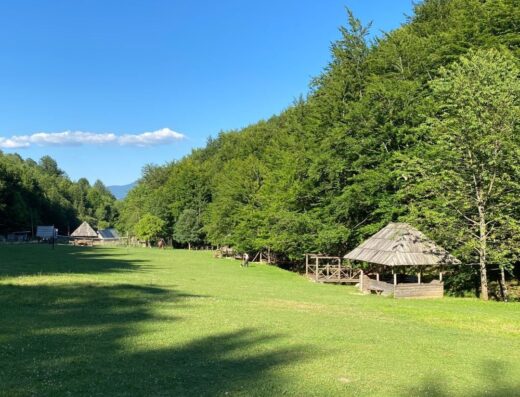
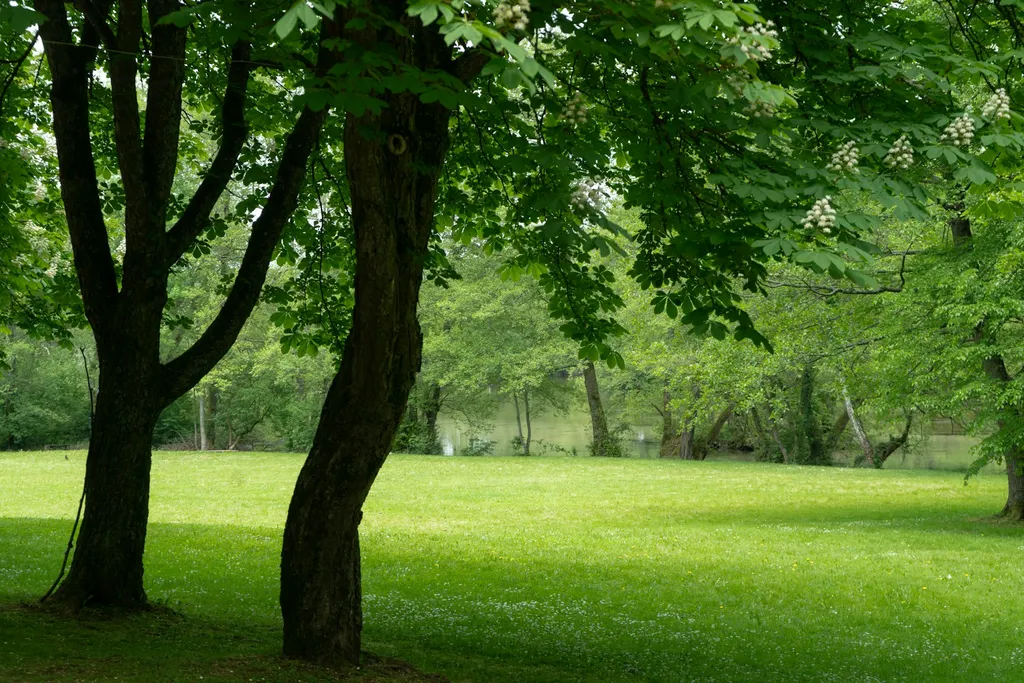
Shaded meadow beneath chestnut trees beside clear streams at Vrelo Bosne Nature Park near Sarajevo

Vrelo Bosne Nature Park

A natural monument in Ilidža about 15 km from Baščaršija, where the Bosna River rises from multiple karst springs. Reaching the springs takes you along the 3.5 km Great Alley (Velika aleja) lined with plane and chestnut trees – great for walking, cycling and rollerblading, making it an effortless family outing.

Vrelo Bosne near Sarajevo: day-trip guide

Skakavac Waterfall

A 98-metre waterfall about 12 km north of Sarajevo above Nahorevo village. Protected as a natural monument with over 1,500 recorded plant species, it makes a rewarding half-day trip – wear footwear suited for forest trails.

Bjelašnica, Mount Igman and Lukomir

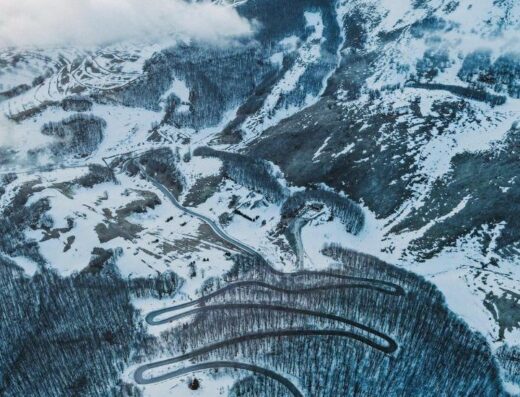
The Olympic mountains lie about 25 km from Sarajevo, hosting Alpine, Nordic and ski-jumping events in 1984. Come for skiing in winter and hiking the rest of the year. High on Bjelašnica at 1,469 m sits Lukomir, Bosnia and Herzegovina's highest village, about an hour and a half's drive from the city.

Tunnel of Hope (Tunel spasa, Butmir)

Dug beneath Sarajevo Airport in 1993 between Dobrinja and Butmir, this tunnel ran roughly 720 metres long and 1.5 metres high, serving as a vital lifeline into the besieged city. Today it operates as a museum about 10 km from the centre.

Sarajevo with children

  • Vrelo Bosne makes an easy family day out: a flat tree-lined avenue for walking or cycling leading into a park of streams, ponds and small islands.
  • The Sarajevo Cable Car is an adventure in itself for children; under-7s ride free, and pushchairs and bicycles are carried at no extra charge (verified 11/2026).
  • The Dariva riverside walkway follows the Miljacka from Bentbaša to the 16th-century Goat's Bridge (Kozija ćuprija), about a 30-minute easy walk.
  • Sarajevo City Hall is a great rainy-day stop; children's tickets cost 5 KM (Bosnian convertible marks, BAM) (verified 11/2026).

One day in Sarajevo: suggested itinerary

  1. Morning: Sebilj fountain and a loop through Baščaršija, strolling down Kazandžiluk for copperware. Baščaršija Mosque sits just behind the Sebilj if you want a quiet pause.
  2. Dhuhr prayer: Gazi Husrev-beg Mosque, then admire the clock tower and madrasa opposite.
  3. Afternoon: follow the Miljacka River to Sarajevo City Hall and the Latin Bridge, stopping for a lunch of ćevapi or Bosnian pie.
  4. Asr: cross Emperor's Bridge to Emperor's Mosque, then take the cable car up Mount Trebević (runs until 17:00, verified 11/2026).
  5. Late afternoon: head back to the bazaar and climb up through Vratnik to White Fortress for sweeping views over the Old Town.

Have two days? Spend day two in Ilidža visiting Vrelo Bosne and the Tunnel of Hope. Staying three days? Add Skakavac Waterfall or Bjelašnica and Lukomir.

Practical information

By air
Sarajevo Airport is about 12 km from the centre, connected by an airport bus. Note that winter morning fog can occasionally delay flights.
By car
Arriving from Zenica follows the A1 toll motorway. A car is the easiest way to reach Skakavac, Bjelašnica and Lukomir.
By bus
Intercity buses arrive at Sarajevo Bus Station, with daily services to Visoko, Zenica, Travnik and Tuzla.
Getting around
Walk around the Old Town; trams, trolleybuses, buses and minibuses serve the wider city – validate your ticket as soon as you board.
Best time to visit
Spring and autumn are ideal for city walks; winter brings snow to Bjelašnica and Mount Igman. During Ramadan, the iftar cannon fires nightly from Yellow Fortress.
What to bring
Comfortable shoes for cobblestones and the climb to Vratnik, an extra layer for Trebević and the mountains, and cash in KM for bazaar stalls.

FAQ about Sarajevo

What can you see in Sarajevo in one day?

Sebilj fountain, Baščaršija, Gazi Husrev-beg Mosque, Sarajevo City Hall and Latin Bridge can all be walked in half a day. Spend the afternoon taking the cable car up Mount Trebević or walking up to the fortresses of Vratnik. See our 1-day itinerary with prayer stops.

What are the best day trips around Sarajevo?

Closest is Vrelo Bosne Nature Park in Ilidža (about 15 km from the centre). Mount Trebević rises right above town, Skakavac Waterfall is about 12 km north, and Bjelašnica and Mount Igman are around 25 km away. Allow about 1.5 hours' drive for Lukomir, Bosnia's highest village.

Where can I eat halal food in Sarajevo?

Our directory includes Šeha in Dobrinja and ZMBT Mirza Aljović near Koševo Hospital (both serving ćevapi and pies), Mahala for Bosnian pies and Pizza Calabria for halal pizza – all operating alcohol-free. See all listings under Where to eat.

Where can I pray in central Sarajevo?

Gazi Husrev-beg Mosque stands in the heart of Baščaršija with a courtyard fountain for wudu. Baščaršija Mosque sits right behind the Sebilj fountain, and Emperor's Mosque lies across Emperor's Bridge on the left bank of the Miljacka. Check prayer times using the button at the top of the page.

How much does the Mount Trebević cable car cost?

A return ticket is 30 KM (Bosnian convertible marks, BAM) and a one-way ticket is 20 KM. BiH residents with valid ID pay 6 KM return, and children under 7 ride free. The cable car operates Mondays 12:00–17:00 and Tuesday–Sunday 09:00–17:00 (verified 11/2026).

Can you visit Sarajevo without a car?

Yes. The historic centre is completely walkable, the cable car reaches Mount Trebević in seven minutes, and trams take you to Ilidža where the 3.5 km avenue leads to Vrelo Bosne. You only really need a car for Skakavac, Bjelašnica and Lukomir.

Nearby cities

All cities

By Halal Balkan.

Sources: Sarajevo Canton Tourism Association, JP Sarajevo (Sarajevo Cable Car and City Hall), Sarajevo Navigator, N1.

Spotted an error or have newer information? Let us know.

Run a halal business in Sarajevo? Add it to our directory.

Add a listing